Consumer protection · Practical guide
Audifort Scam Searches: What to Check on Any Sales Page
Typing a product name plus "scam" is sensible research. This page turns that instinct into a method: the specific things worth inspecting on any hearing supplement page, including this product's, before money changes hands.
- 10 warning signs
- Checkout inspection guide
- Clone and spoof risks
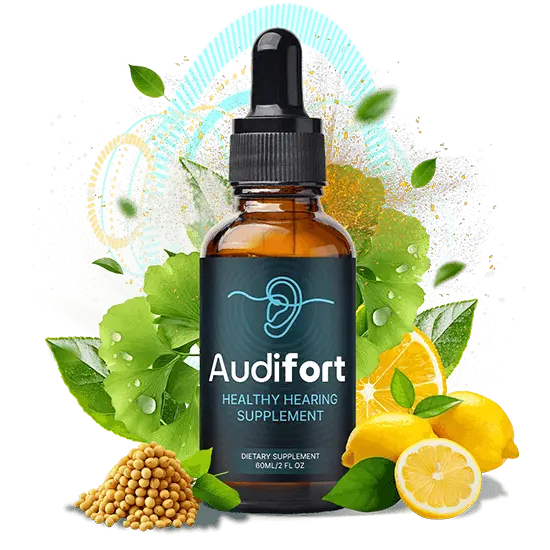
Why do people search for an Audifort scam?
Mostly caution rather than experience. Adding "scam" to a product name is a standard research habit, and in a category full of aggressive marketing it is a reasonable one. We found no evidence of deception in this product's published materials — but the checks below are worth running on any supplement page, including this one.
Ten warning signs in supplement marketing
- "FDA approved" on a supplement. Impossible. The agency does not approve dietary supplements before sale.1 Any page using the phrase is asserting something untrue.
- Cure or treatment claims. A supplement claiming to cure tinnitus or reverse hearing loss has crossed a legal line, not just an evidential one.2
- Countdown timers that reset. Reload the page. If the timer starts again, the scarcity is scripted.
- Live purchase pop-ups. "Someone in Dallas just ordered" notifications are usually generated from a name list. We removed exactly such a script from this site.
- Review counts with no platform. A rating "based on 127,000 reviews" with nowhere to read one is an image, not a rating.
- Stock-photo doctors. A white coat, a name and a stethoscope beside a bottle is a false endorsement unless the person is verifiably real and genuinely associated.
- Undisclosed formulas. A proprietary blend total without individual amounts prevents any comparison against research.
- Studies cited that never tested the product. Almost universal in this category, and the single most common way pages overstate themselves.
- No refund terms in writing. A badge is not a policy. The policy is the text.
- Pressure to decide immediately. A legitimate offer survives you reading the terms first.
How to inspect a checkout page
The checkout is where a genuine problem becomes visible, and it takes about two minutes to examine properly.
- Check the padlock and the domain in the address bar — not just that it is HTTPS, but that the domain is spelled as expected.
- Read the total, not the headline. Per-bottle pricing is designed to look small; the charge is the total plus shipping.
- Look for pre-ticked add-ons. Shipping insurance and similar extras are sometimes selected by default.
- Search the page for "recurring", "subscription", "auto-ship" and "trial" before paying. A free trial that converts to a monthly charge is the classic supplement trap.
- Find the refund terms and read them. Note whether bottles must be returned, who pays postage and when the clock starts.
- Screenshot the terms with the date visible. Pages change; a dated screenshot does not.
Clones, lookalikes and spoofed domains
A specific risk in this category deserves its own attention. Popular direct-to-consumer supplements attract imitation sites: near-identical pages on domains a character or two different from the real one, sometimes running genuine-looking checkouts. A buyer who lands on one may receive nothing, receive a different product, or hand card details to an unrelated party.
Two habits reduce the risk substantially. Reach the checkout by following a link from a page you already trust rather than by typing a half-remembered domain, and read the address bar carefully before entering payment details — transposed letters and added hyphens are the usual trick. If a page looks right but the domain does not, stop.
What protects you regardless
Pay by credit card. Chargeback rights are the single most effective consumer protection available in an online purchase, and they do not exist for bank transfers, wire payments, cryptocurrency or gift cards — a request for any of those is itself a warning sign. Keep the order confirmation. Note the refund deadline on the day you order rather than later.
Applying this to Audifort specifically
Running the checks above against the published materials: pricing is disclosed before checkout, the offer is presented as a one-time purchase rather than a subscription, a 90-day refund policy appears consistently across three seller materials, and payment runs through an established processor. Those are the findings that matter most, and they are reassuring.
Against that, the formula is largely undisclosed, no Supplement Facts panel with individual amounts is public, no trial of the finished product exists, and certification claims cannot be independently verified. Those are real criticisms — and they are criticisms of the evidence, not accusations of fraud. Keeping the two apart is the entire point of this exercise.
Warning signs that are not actually warning signs
Some things look alarming and are not, and treating them as red flags leads people to dismiss legitimate products while missing real problems.
- Selling only through its own website. Standard in this category. It concentrates support and refunds in one place, which is arguably better for a buyer than a marketplace.
- Steep multi-bottle discounts. Normal volume pricing. It becomes a problem only if the smallest package is made deliberately unattractive or hard to find.
- A long sales page with an emotional story. Tedious, but a copywriting convention rather than deception.
- An unfamiliar brand name. Most supplement brands are unfamiliar. Recognition is a marketing budget, not a quality signal.
- Bonus digital guides. Common bundling. Only their stated retail values are worth discounting, since those figures are rarely anything anyone ever paid.
The single most useful habit
If you take one thing from this page: read the refund terms in full before paying, and screenshot them with the date visible. Not the badge, not the summary on the sales page — the actual policy text on the checkout.
That habit protects against most of what can realistically go wrong, because the refund window is the mechanism by which a bad purchase becomes a recoverable one. It also functions as a test in itself. A seller who makes those terms easy to find and clearly written is behaving differently from one who buries them, and you learn that before spending rather than afterwards.
Related Audifort pages
- the direct scam assessment — fraud markers applied to what can be verified
- the legitimacy checklist — what checks out about the product and seller
- how to evaluate complaints — which categories matter and how to raise one
- reading Audifort reviews — who writes them and what they can verify
Frequently asked questions
We found no evidence of deception in the published materials: pricing is disclosed before checkout, the offer is a one-time purchase, a 90-day refund policy is stated consistently, and payment runs through an established processor. The evidence base for the formula is a separate and weaker matter.
FDA approved wording, cure or treatment claims, countdown timers that reset on reload, scripted live-purchase pop-ups, review counts with no platform behind them, stock-photo doctors, undisclosed formulas and studies cited that never tested the product.
Verify the domain spelling in the address bar, read the total rather than the per-bottle price, look for pre-ticked add-ons, search the page for recurring, subscription, auto-ship and trial, read the refund terms in full, and screenshot them with the date.
Reach the checkout by following a link from a page you already trust rather than typing a half-remembered domain, and read the address bar carefully before entering card details. Transposed letters and added hyphens are the usual trick.
A credit card, because chargeback rights are the strongest protection available online. Bank transfers, wire payments, cryptocurrency and gift cards carry no equivalent recourse, and a seller requesting any of them is itself a warning sign.
References
Each verified against its PubMed record or issuing body. The complete source list is on the main Audifort guide.
- US Food and Drug Administration — information for consumers on dietary supplements. fda.gov
- US Federal Trade Commission — health products compliance guidance for advertisers. ftc.gov
- Geller AI, et al. Emergency department visits for adverse events related to dietary supplements. N Engl J Med. 2015. PMID 26465986