Review analysis · Commercial research
Audifort Reviews: What They Establish and What They Do Not
Searching for Audifort reviews returns a great many pages and very little independent assessment. This page is about the reviews themselves — who writes them, what they can legitimately establish, and how to tell a useful one from a rewritten sales page.
- 0 verified trials of the product
- Most reviews are commercial
- Ratings are unverifiable
Are Audifort reviews reliable?
Most Audifort reviews online are commercial content, and none of them — including this one — can establish whether the product works. A review can verify what is on the label, what the offer contains and whether claims are supported. Only a clinical trial of the finished product could establish effect, and no such trial has been published.
Who writes Audifort reviews
Almost every page ranking for this term is written by someone who earns a commission if you click through and buy. Commission itself is not disqualifying — a great deal of useful consumer writing is funded that way — but it shapes the incentive, and the incentive is to make buying feel reasonable.
The tell is usually structure rather than tone. Commercial reviews written at volume tend to follow the sales page section by section, restating its claims in different words, adding a pros-and-cons box where the cons are mild, and closing with urgency about a discount. If a review reaches a favourable conclusion without ever naming something the product does not disclose, it has not examined the product.
Why review counts and star ratings mislead here
Direct-to-consumer supplements are not sold through a marketplace with independent, purchase-verified review systems. There is no Amazon listing collecting thousands of verified-buyer ratings, no retailer aggregating returns data. That means any star rating you see for this product was placed there by someone with an interest in the number, and cannot be audited.
We removed exactly such a graphic from this site: an image asserting a rating "based on 127,000 reviews" with no source, no methodology and no way to inspect a single one of them. We also removed scripted pop-ups that generated random names and cities as fake recent purchases. Those artefacts are common across this category, and their presence on a page tells you something about how carefully the rest of it was assembled.
What a review can legitimately verify
Plenty, as it happens — just not effectiveness. A careful reviewer can confirm the format and bottle size against label imagery, cross-check the advertised price and package structure between the pricing page and the checkout, establish which bonuses attach to which tiers, and determine whether a stated guarantee is consistent across the seller's own materials. Those are facts, and they either check out or they do not.
A reviewer can also audit claims. Whether a page describes a supplement as "FDA approved" — which no supplement can be — is verifiable. Whether an ingredient list is complete is verifiable. Whether cited research studied the finished product or an isolated compound is verifiable, and it is where most of this category quietly overstates itself.
What we verified about this product
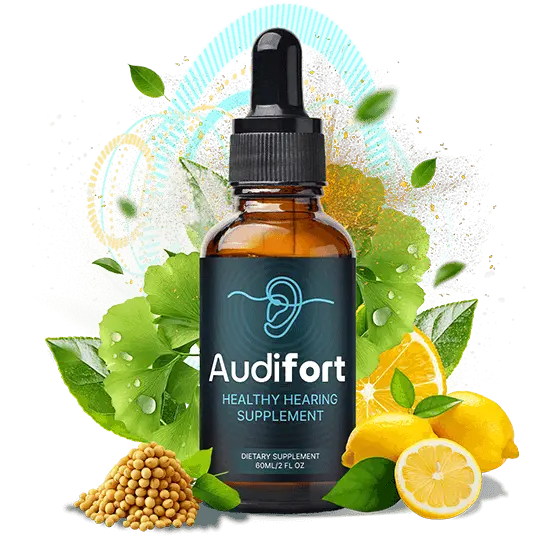
- Format and volume: liquid drops, 60 ml / 2 fl oz, confirmed on label imagery.
- Six ingredients named publicly against a claimed twenty-plus total.
- No Supplement Facts panel giving individual amounts is publicly available.
- A 90-day money-back guarantee stated consistently across three separate seller materials.
- Package pricing from $79 per bottle down to $49, with bonuses attached to the larger tiers only.
- No published clinical trial of the finished product.
What customer feedback can and cannot tell you
Individual accounts are worth reading for texture — how quickly an order arrived, whether support answered, whether the taste was tolerable. Those are things a customer genuinely knows and a reviewer often does not.
What an account cannot separate is a product's effect from everything else. Hearing and tinnitus symptoms fluctuate on their own, expectation shapes subjective experience, and people usually change more than one thing at once. Add the selection filter — satisfied buyers are the ones quoted on a sales page — and testimonials become a poor guide to whether a formula does anything. That is precisely why controlled trials exist, and why their absence here matters more than any number of positive accounts.
How to judge a review in ninety seconds
Three questions separate useful pages from rewritten sales copy. Does it name at least one thing the seller does not disclose? Does it distinguish research on an ingredient from research on the finished product? Does it state its own commercial relationship plainly, near the top, rather than in a footer? A page that fails all three is an advertisement with a review headline.
Where independent information actually comes from
If reviews cannot settle effectiveness, something has to fill the gap. The sources that genuinely help are unglamorous and free. The NIH Office of Dietary Supplements publishes ingredient fact sheets summarising what evidence exists and how strong it is. PubMed indexes the primary literature, and its abstracts are readable enough to check whether a cited study tested an ingredient or a product. The Cochrane Library publishes systematic reviews, which is where you find out that the best-studied ingredient in this category has still not cleared the bar for tinnitus.1
None of those will mention Audifort by name, and that absence is itself informative. A finished supplement appears in the scientific literature only when somebody funds a trial of it, and most direct-to-consumer supplements never do.
Reading the pros and cons honestly
A pros-and-cons box is the easiest part of a review to fake, because a writer can list six enthusiastic pros and three cosmetic cons and call it balanced. The test is whether the cons would actually change a decision. "Only available online" is a cosmetic con. "Individual ingredient amounts are not published, so the formula cannot be compared against research" is a real one, because it bears directly on whether the product can do what it is sold to do.
Applied here, the substantive limitations are consistent across every honest assessment: no finished-product trial, no public Supplement Facts panel, most of the formula unnamed, and inconsistent serving instructions circulating online. Any review that omits all four has not looked hard enough to be useful.
Related Audifort pages
- our full analytical review — formula, evidence, safety and a verdict
- reviews weighed against complaints — a balanced ledger of both sides
- independent testing sources — who actually tests supplements, and who has not
- the efficacy question directly — what the evidence hierarchy shows
Frequently asked questions
Customer statements appear in the product's own promotional materials, but they are not independently verified and we cannot confirm the identities, purchases or outcomes described. The product is not sold through a marketplace with purchase-verified review systems.
Most are commercial pages written from the same sales copy, which is why they tend to follow the seller's section order and repeat its claims. A review that never names an undisclosed detail has not examined the product independently.
No. Only a clinical trial of the finished product could establish that, and none has been published. A review can verify the label, the offer, the guarantee and whether claims are supported, which is a different and narrower job.
They cannot be audited. This product is sold direct rather than through a marketplace collecting verified-buyer ratings, so any rating you see was placed there by a party with an interest in the number.
References
Each verified against its PubMed record or issuing body. The complete source list is on the main Audifort guide.
- Sereda M, et al. Ginkgo biloba for tinnitus. Cochrane Database Syst Rev. 2022. PMID 36383762
- Souza MEDCA, et al. Antioxidant supplementation and auditory threshold in sensorineural hearing loss. Braz J Otorhinolaryngol. 2018. PMID 28888754
- Maniaci A, et al. Hearing loss and oxidative stress: a comprehensive review. Antioxidants. 2024. PMID 39061910